
OSHA's 2026 Silica Enforcement Shifts Toward "High-Exposure Trigger Tasks"
OSHA has signaled that its 2026 enforcement program under the respirable crystalline silica standards (1910.1053 for general industry and 1926.1153 for construction) puts new emphasis on so-called high-exposure trigger tasks — work involving engineered stone and materials containing more than 0.1% crystalline silica, where cutting, grinding, and drilling generate the highest airborne concentrations.
The construction standard's medical-surveillance duty is unchanged but newly consequential: employers must make an exam available at no cost to any worker who must wear a respirator for silica exposure 30 or more days a year. The baseline exam — a chest X-ray read by a NIOSH-certified B reader, a pulmonary-function test, and a respiratory-focused history and physical performed by a PLHCP — must be offered within 30 days of assignment unless a qualifying exam was done in the prior three years, with follow-ups at least every three years.
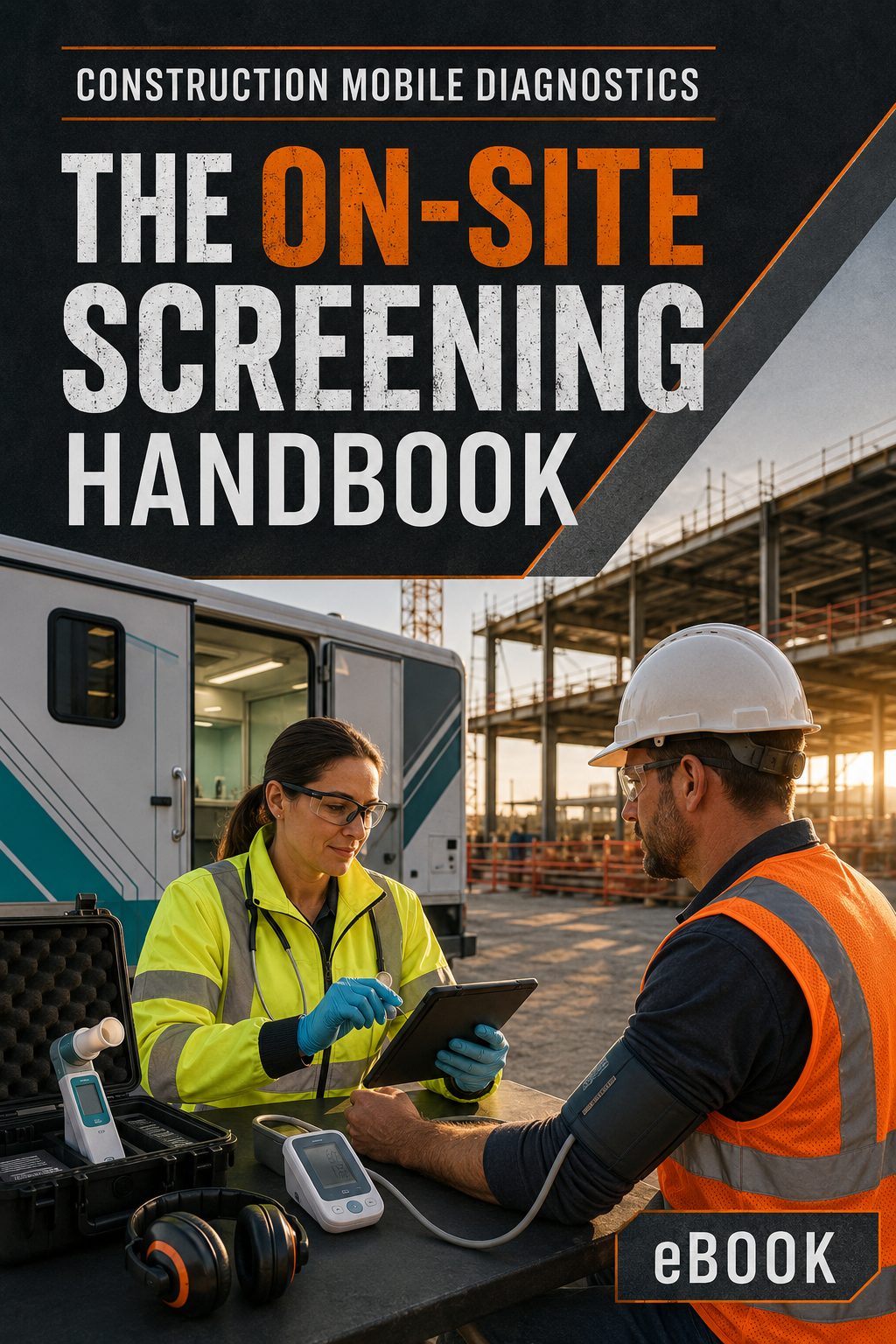
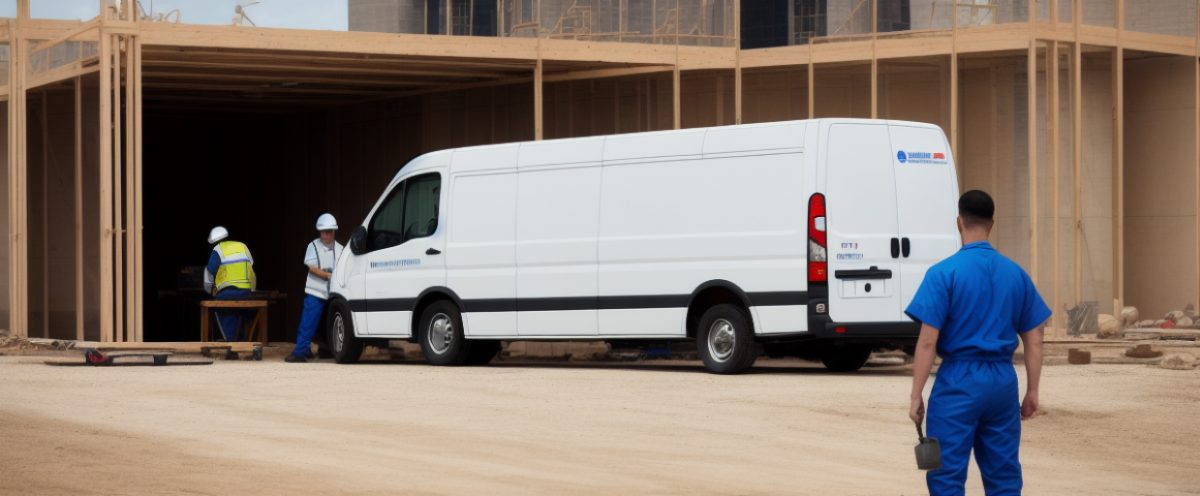
For a jobsite, the practical question is how to meet that schedule without pulling crews off the work. A mobile unit that brings calibrated spirometry and imaging to the site keeps the surveillance current and the records defensible. Employers should confirm the intervals and thresholds that apply to their specific tasks directly with OSHA, since they vary by exposure and jurisdiction.
Construction's biggest occupational-health exposures are exactly the ones a mobile clinic is built to catch early. Under OSHA's respirable crystalline silica standard for construction (29 CFR 1926.1153), employers must make medical surveillance available at no cost to any worker required to wear a respirator for 30 or more days a year — and those exams, performed by a physician or other licensed health care professional, include a baseline chest X-ray repeated at least every three years, along with lung-function testing. Layer in OSHA's long-standing hearing-conservation and respirator-clearance requirements and the paperwork alone can stall a busy jobsite. Bringing the exam room to the site is the fix: on-site spirometry, audiometry, and imaging keep crews compliant and, more importantly, flag silicosis or noise-induced hearing loss while there is still time to act — without workers losing a day of pay to drive to a distant clinic.
Sources: OSHA — 29 CFR 1926.1153; OSHA — Medical Surveillance; Congressional Research Service — Respirable Crystalline Silica Standards